
Cedre Imperial of Meudon
A landmark connected to World History and Nazi resistance
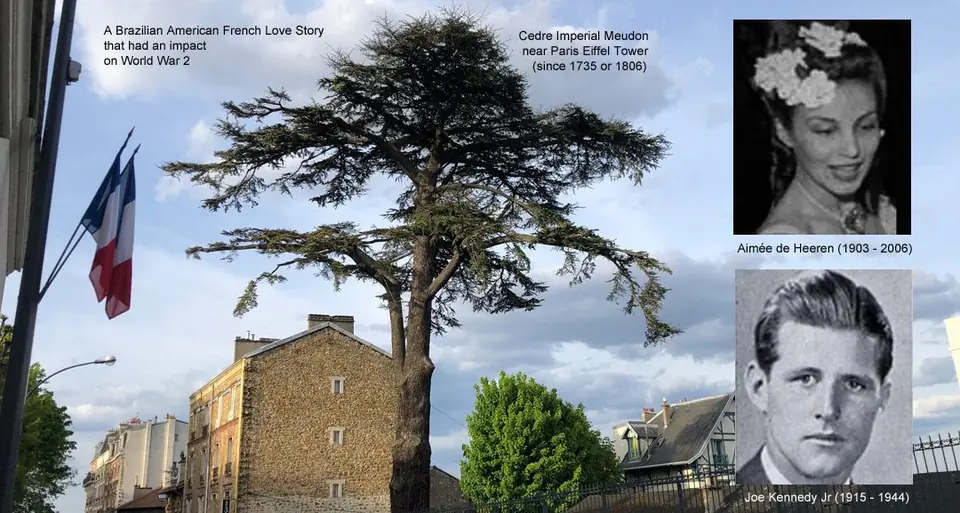
A cedar of Lebanon in Meudon, planted ca. 1799. Around it, two centuries of stories — one lived by a friend of the editor of this article — and a problem: real estate development, and a concrete stub.
A present of Empress Josephine, wife of Napoléon
It is said that the Cedre Imperial was a present of Empress Josephine who had a passion for exotic cedar trees.
She lived at the Château de Malmaison, where she had built a spectacular botanical garden — including the still existing “Cèdre de Marengo”.
Across the Mediterranean and Near East, the cedar was associated with:
- Strength and majesty — it is an enormous, long-lived tree that grows high above other vegetation.
- Longevity and immortality — because of its durability and evergreen foliage, it came to represent life enduring through time.
- Dignity and royalty — cedar wood and cedar forests were historically associated with kings, temples and monumental construction.
- Protection — its imposing size and enduring nature gave it associations with shelter and guardianship.
- Memory — an ancient tree could serve almost as a living monument, preserving the memory of people and events.
But symbolically, the cedar fits Joséphine remarkably well: beauty, endurance, memory, exotic nature, and a life that continued after an extraordinary love story had ended.
Josephine offered cedar trees as you might offer an expensive chocolate box.
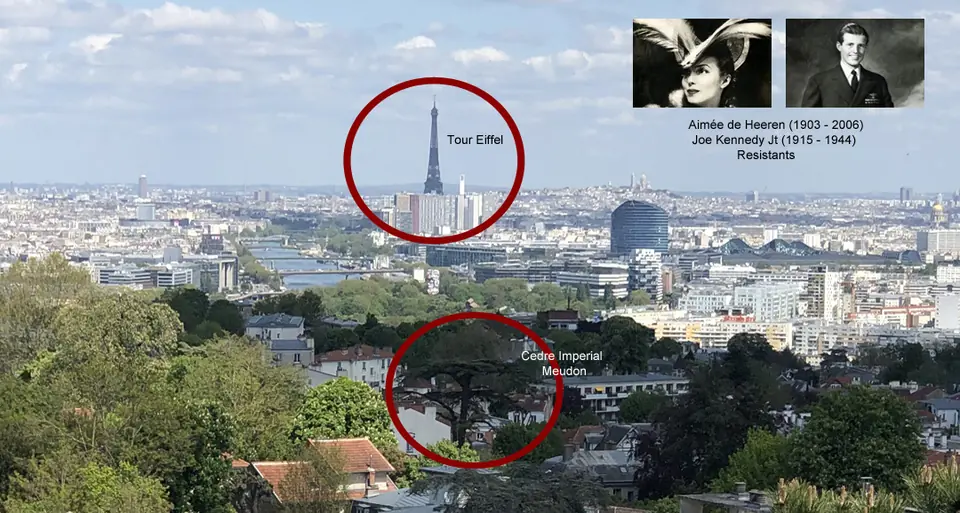
Two of these trees were planted in Meudon: the “Cèdre Impérial” on rue Napoleon (today 11 rue de la République), and the “Cèdre Redouté”, 12 rue du Cèdre.
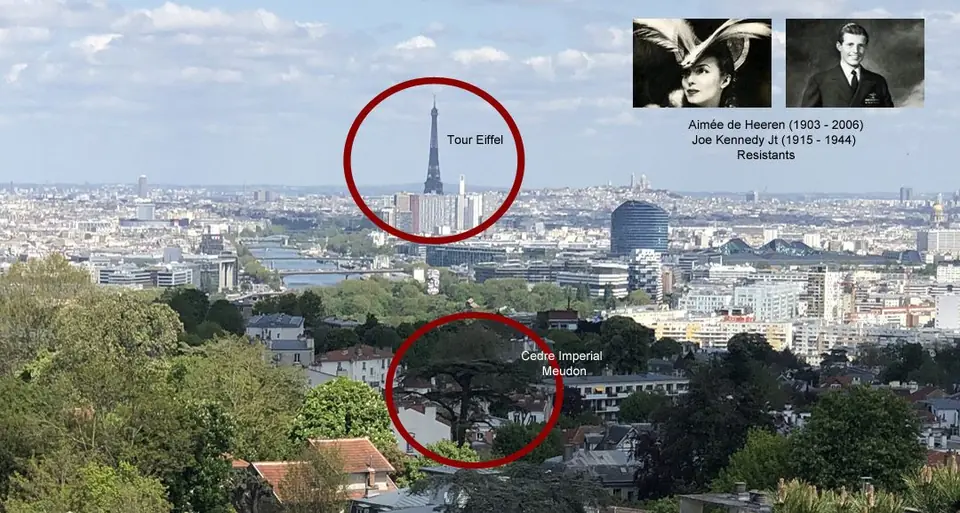
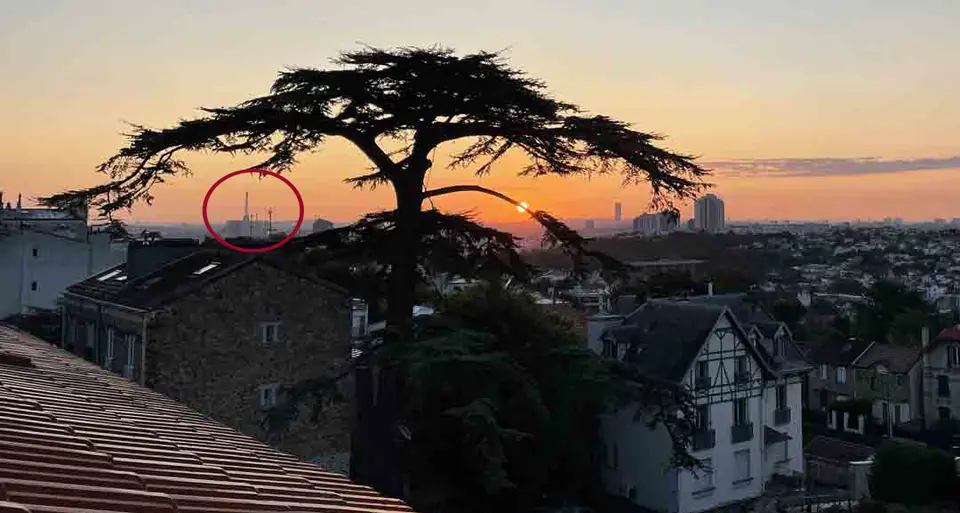
Over time the Cedre Imperial of Meudon acquired the legend to be able to “transmit good energy”
The tree is connected to many, many stories. Some are transmitted, most are lost, and others might still appear.
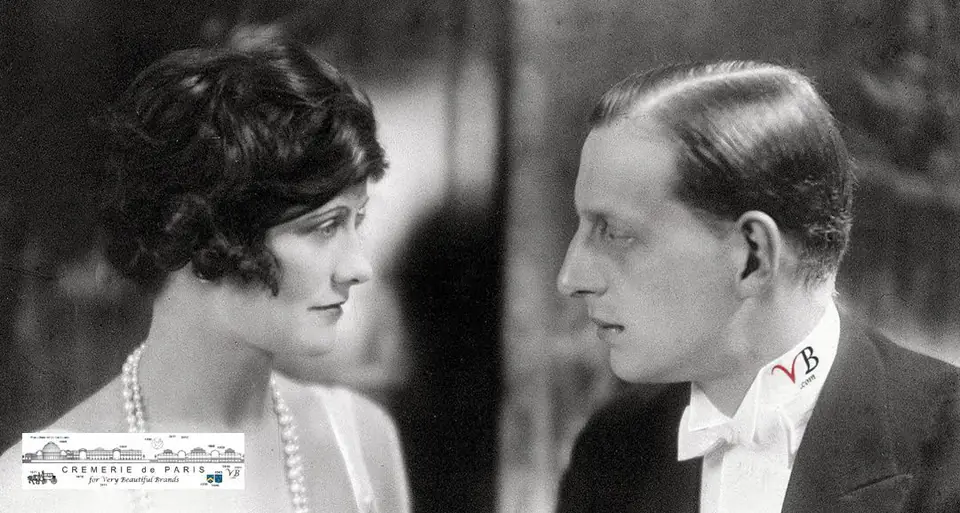
Coco Chanel discovered the Cedre Imperial through her boyfriend Dmitri Romanov, cousin of Boris Romanov who lived at the Château Sans Souci, 91 route de la Garde, Meudon.
Dmitri had grown up with Olga, Maria, Tatiana, Anastasia and Alexei Romanov. He helped Coco Chanel to design the famous CC logo and to invent the perfume N°5. The Romanov children loved the Cedre Imperial and fairytales around Meudon and Paris.
The stories are connected to people from Meudon, but they also travelled through a chain of people via London and Saint Petersburg to come back to France via the Romanovs, to the ears of the fashion designer.
A landmark in the history of Brazil and of the United States
We don't know how many people found inspiration or energy in the Cedre Imperial. But the editor of this article knew one woman that really did. The radiation of the cedar gave her the force to carry out an extremely complex mission.
The woman was the daughter of two modest school teachers from Castro, Brazil.
She was extremely beautiful, and spread joy like a fan.
1938 — Aimée Sotto Mayor discovered the tree through Coco Chanel.
Chanel was fascinated by her look and her fashionista attitude, not realising the young woman was a secret service agent on direct mission for Getulio Vargas, the President of Brazil.
Vargas had been approached by Nazi Germany to join the Axis Alliance forming with Italy and Japan. Aimée had the mission to play the role of a wealthy party girl only interested in fashion and parties, while secretly collecting political information.
She was so beautiful and glamorous everybody was captivated by her.
A video about the Imperial Cedar, hosted by YouTube. Loading it sets Google cookies.
The German lawyer Helmuth James von Moltke gave Aimée a folder containing everything Hitler was planning, and nobody outside the very inner circle of Nazi Germany could imagine. The documents turned the fashion girl into a pre-war anti-nazi activist.
Moltke and his resistance partner and friend Adam Trott, later forming the “Kreisauer Kreis”, tried everything to connect with Roosevelt, but they could not find access. Their hope was Aimée as their messenger.
This happened in 1938, one year before the outbreak of WW2 and almost two years before the invasion of France.
The mission was massive and highly dangerous: transmit ultra secret Nazi information to other countries.
Aimée needed the energy of the Cedre Imperial to change the mind of two presidents.

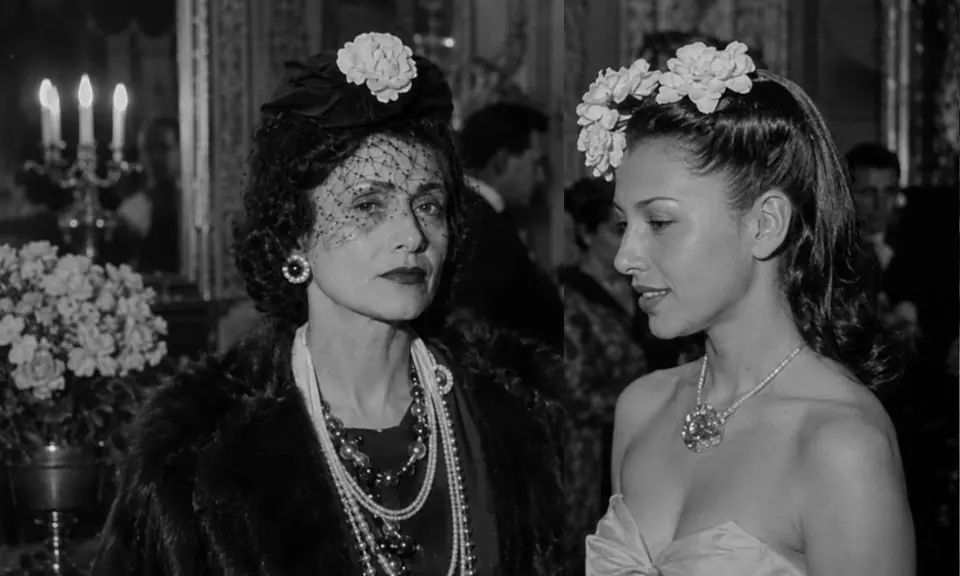
See also: Christian Dior under agents.
More photos in the book Elsie de Wolfe's Paris — Frivolity before the Storm
A video about the Imperial Cedar, hosted by YouTube. Loading it sets Google cookies.
Brazil
In the late 1930s, Nazi Germany was aggressively courting Brazilian President Getúlio Vargas, trying to secure Brazil as a key Axis ally in South America. This would have given the German military a massive strategic foothold right across the Atlantic.
Brazil was the easier mission, as President Vargas was fascinated by Aimée and trusted her judgement. Alzira Vargas, the daughter of the president, and Oswaldo Aranha also knew about some of the information delivered by Aimée.
The mission needed to be handled with extreme discretion as the Brazilian government was full of Axis supporters, like the Generals Eurico Dutra and Góes Monteiro. They should not know about Aimée's mission: Alzira Vargas made sure Aimée's name would never appear.
Instead of entering the Axis, Vargas turned into a period of neutrality, before allying with the United States.
Today many historians in Brazil believe that it is the charisma of Aimée who kept the country away from Hitler, and that she was the mysterious “Bem Amada” that protected the country from the Nazis. And in some way the energy of the cedar might have helped, making the Cedre Imperial from Meudon, located at a distance of 9.154 km from the Palacio de Catete in Rio, something exceptionally valuable in Brazilian History.
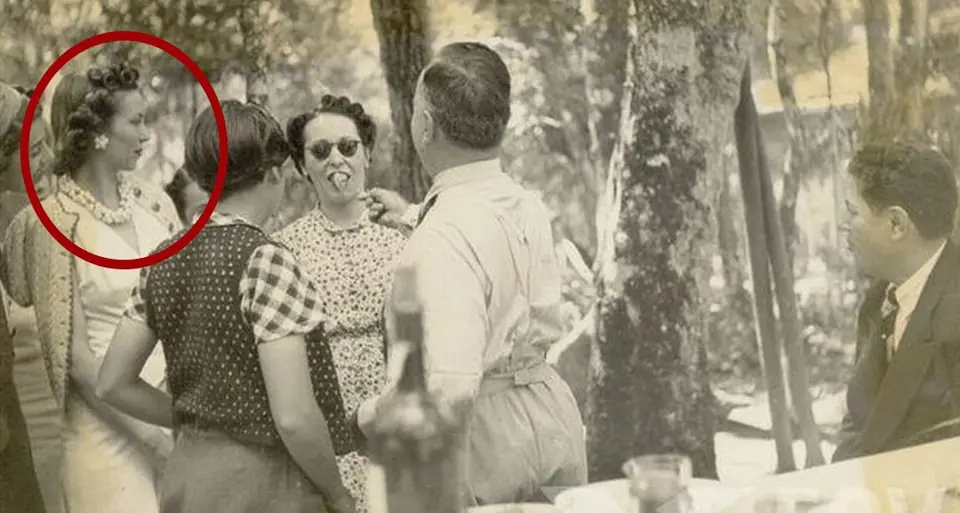
A video about the Imperial Cedar, hosted by YouTube. Loading it sets Google cookies.
Nothing was publicly known until the Vargas diaries, locked away for 40 years, were opened.
The problem of the cedar facing destruction for a real estate development project in 2021, and a recent 2025 book by the Brazilian journalist Delmo Mereira, A Bem Amada, brought Aimée's life into the public eye. See also Harper's Bazaar.
United States
Aimée understood she had to connect with the American President Franklin D. Roosevelt, as only the economic strength of the United States would be able to stop the plans she had seen.
Sotto Mayor had already met Roosevelt in November 1936, but connecting with him was impossible. Roosevelt firmly wanted to stay out of the conflict in Europe.
Meditating next to the Cedre Imperial she had an idea: captivate the attention of one of the Roosevelt sons so they could create access to the inaccessible American President.
The easiest place to meet them would be the US Embassy in London, where Ambassador Joe Kennedy Sr and his wife Rose Fitzgerald Kennedy liked to throw grand style receptions.

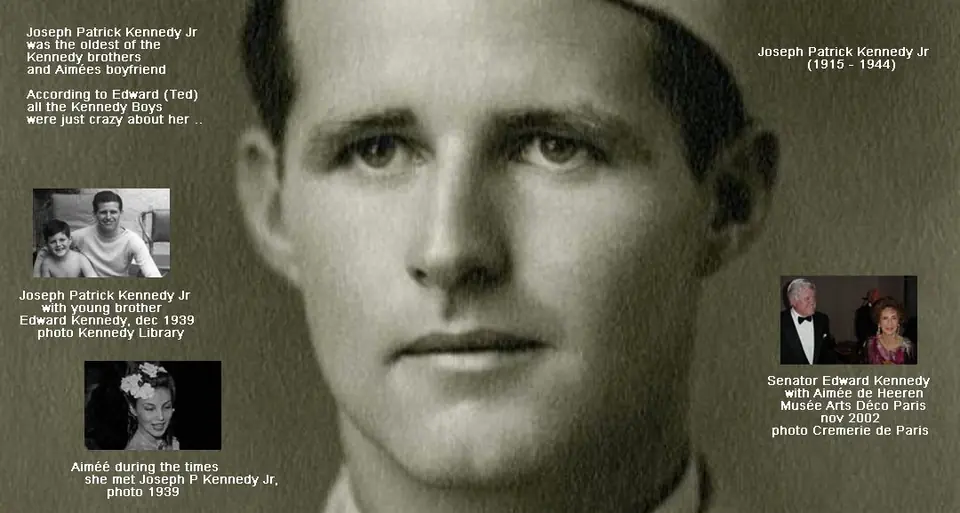
No Roosevelt sons — but two handsome young student boys: Joe Kennedy Jr and his younger brother John F. Kennedy, both captivated by Aimée's look and charisma.
February 1939 — Joe came to Paris to see Aimée. The next day she took him to Meudon and the Cedre Imperial…
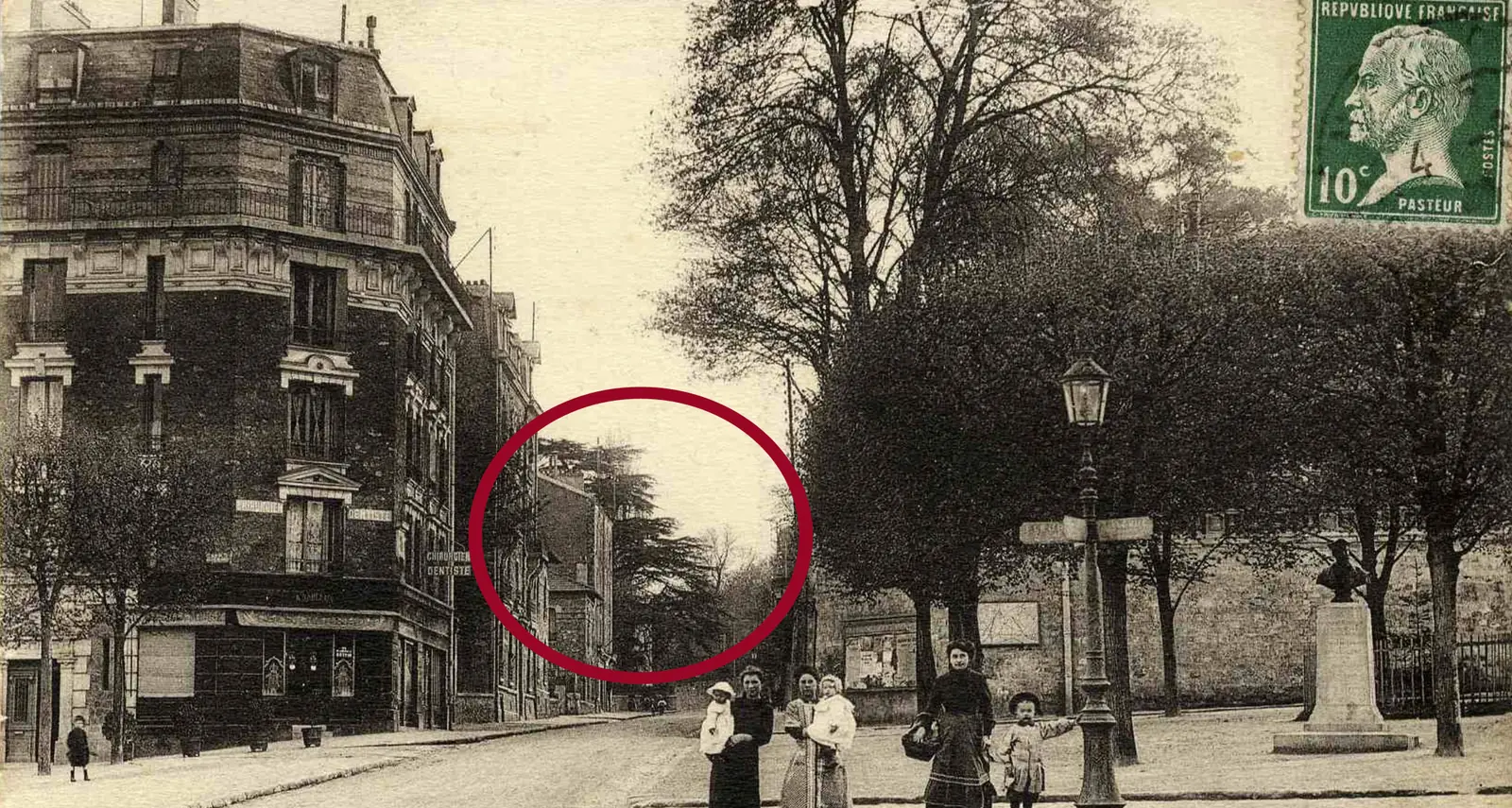
Next to the Cedar something happened that should never happen to a Secret Service Agent: she fell in love.
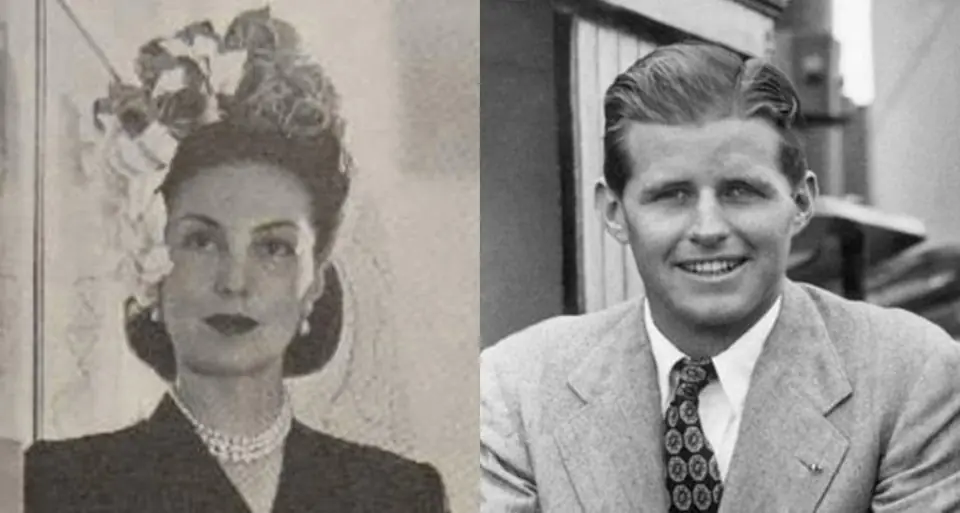
It took a bit of time, but the plan that had come alive under the Cedre Imperial reached the White House, located at a distance of 6.159,63 km.
Joe Kennedy Jr and his siblings were close personal friends of President Franklin D. Roosevelt's children, Anna, Jimmy, Elliott, Franklin and John Aspinwall. By embedding herself within the Kennedy circle, her insights into the European conflict and Brazil's shifting stance found a direct social pipeline that reached all the way to the Roosevelt White House — completely avoiding official intelligence networks.
October 1939 — Moltke's underground resistance partner Adam Trott had travelled to Washington to meet Roosevelt, but he was simply not granted access.
November 1939 — pre-war Paris became too dangerous: German Abwehr agents in Rio had found out who Aimée really was. She left France via Meudon and Le Havre, continuing her anti-nazi lobbying activities from New York.
Aimée's idea was the right one. Joe connected with the Roosevelt sons, and this might have influenced the US President to change his opinion, thanks to information the US administration did not have access to — and did not want to believe — in 1939.
1941 — while Time magazine elected her as one of the World's most elegant women, Aimée quietly continued influencing American decision makers behind the scenes to oppose the Nazi regime.
Joe Kennedy Jr had a dream: make Aimée one day become the First Lady of America.
June 6 1944, D-Day: America was ready to liberate Europe, but this was only possible because preparation had started early.
August 25 1944 was the liberation of Meudon; many US soldiers like Joe Kennedy Jr lost their lives in the battle of France.
But Kennedy's death did not mean the end of the story. He always remained the N°1 in Aimée's heart.
A video about the Imperial Cedar, hosted by YouTube. Loading it sets Google cookies.
Half a century later, the story continues
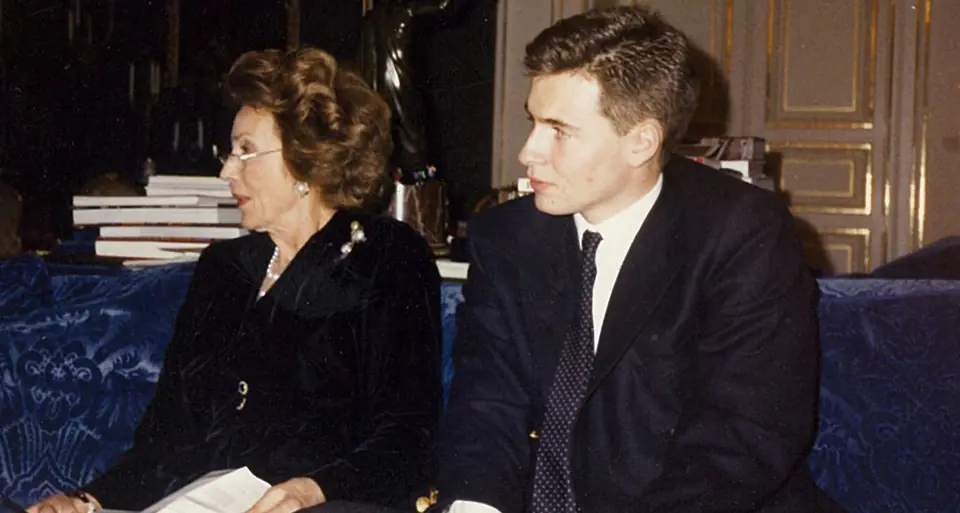
1986, June 2 — Aimée, already 83 years old (her age was a secret), met another young student who had something useful: a driver's licence and a car. The student just loved to be with her, and she loved to be with the student.
And there was something else: a connection with people of Aimée's past. As a child, Ben Solms knew Clarita Trott / Tiefenbacher, a friend of Helmuth James von Moltke.

From time to time Aimée asked the student to drive her to Meudon to see the Cedre Imperial. Arriving at the tree she put her arms around the cedar's trunk and started to meditate.
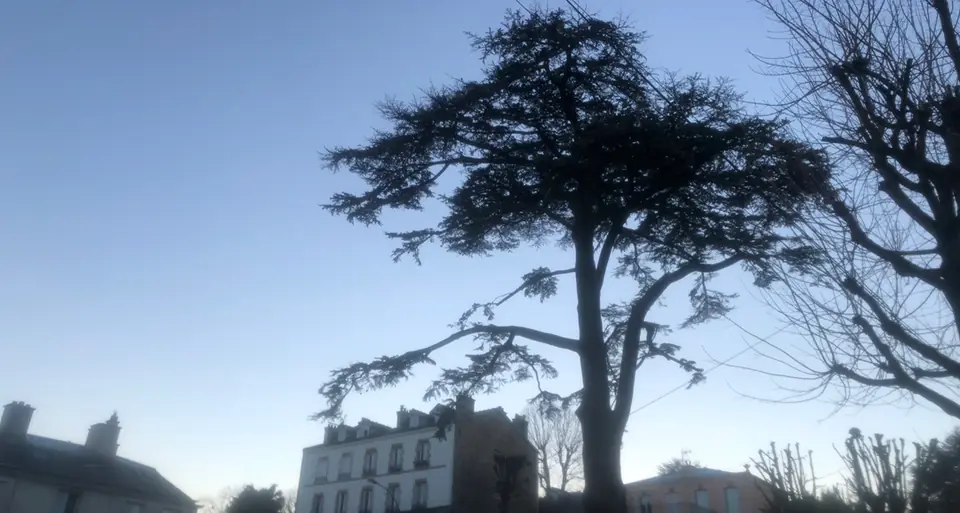
For Aimée the tree was a memorial of Joe Kennedy Jr and their magical love story.
The student did not understand what was going on, but over the next twenty years he discovered her Kennedy story. Joe Kennedy Jr had always stayed in her heart and the Cedre Imperial was the witness.
There was also Aimée's Chanel story and many more… still not realising his friend was much older than he imagined, and a major secret service agent that might have had a direct impact on World history.

More photographs on Getty Images. The first image shows the editor of this article with JFK's daughter Caroline Kennedy.
During one of his Paris trips, Aimée showed Ted Kennedy the Cedre Imperial. They had a driver already described before.
A real estate project in conflict with the tree
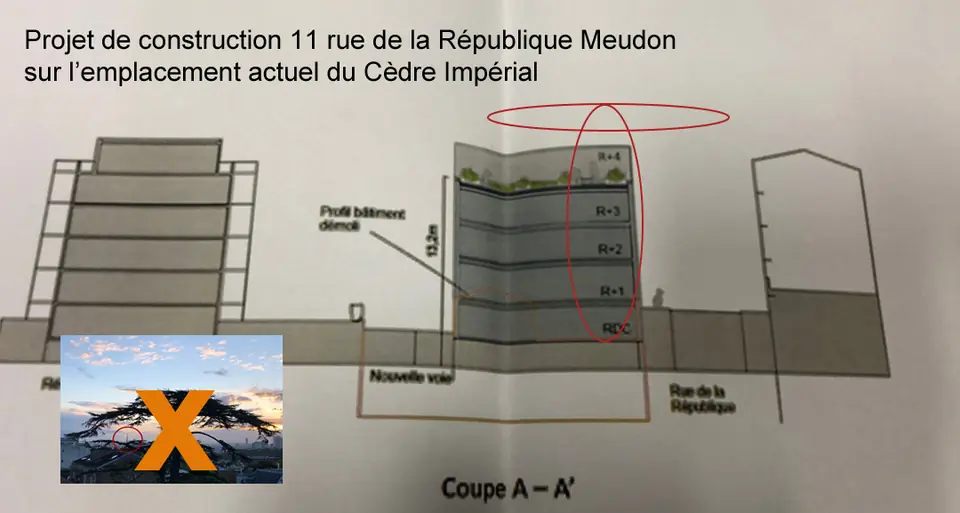
- 2021 — Denis Larghero, mayor of Meudon, and Franck Deruère, former director of the city's technical services, present a real estate project which needs the grounds of the Cedre Imperial.
- The tree is presented as dangerous.
- An association opposes the project, and hundreds of children paint the tree.
- A bit of the never written Aimée de Heeren × Joe Kennedy Jr story comes to paper.
- Eventually, under the pressure of the local population and the Kennedy story, the mayor Denis Larghero stops the construction project.
- Grateful for not cutting the Cedre Imperial, many supporters of the tree — including the editor of this article — voted for Denis Larghero in the 2026 municipal elections.
A video about the Imperial Cedar, hosted by YouTube. Loading it sets Google cookies.
Admire the beauty of the Cedre Imperial on a video made in 2021 by David Aaron Benali to successfully save the tree from the 2021 real estate project.
Unusual attitude of the city of Meudon towards its most iconic monument
Whenever a city has a remarkable tree, the municipality puts up a tourist information plate explaining its history. The Cèdre Impérial is not only a remarkable tree: it is a living monument, directly connected to World History.
However, in Meudon: no sign. No picture of the tree on the homepage of the city's website. Not even an article on the municipal website explaining its fascinating history. Nothing to cherish or to promote a landmark.
- Instead, some of the tree's roots get damaged by the construction of a water exchange right next to the trunk.
- Instead, construction of a thick concrete stub, making it impossible for water to reach the roots. Absolutely nothing to promote the tree as a tourist attraction, only notes about danger — the danger of the tree, in complete contradiction with a temporary Maison Rouge food market that took place just below the tree.
- No watering in the summer.
- The health of the tree declines.
- July and August 2026 heat waves make the concrete stub almost as hot as a stovetop burner.
Normally Visit Meudon.com would love to invite you to visit one of the world's most magical trees. It's only 6 km from the Eiffel Tower…
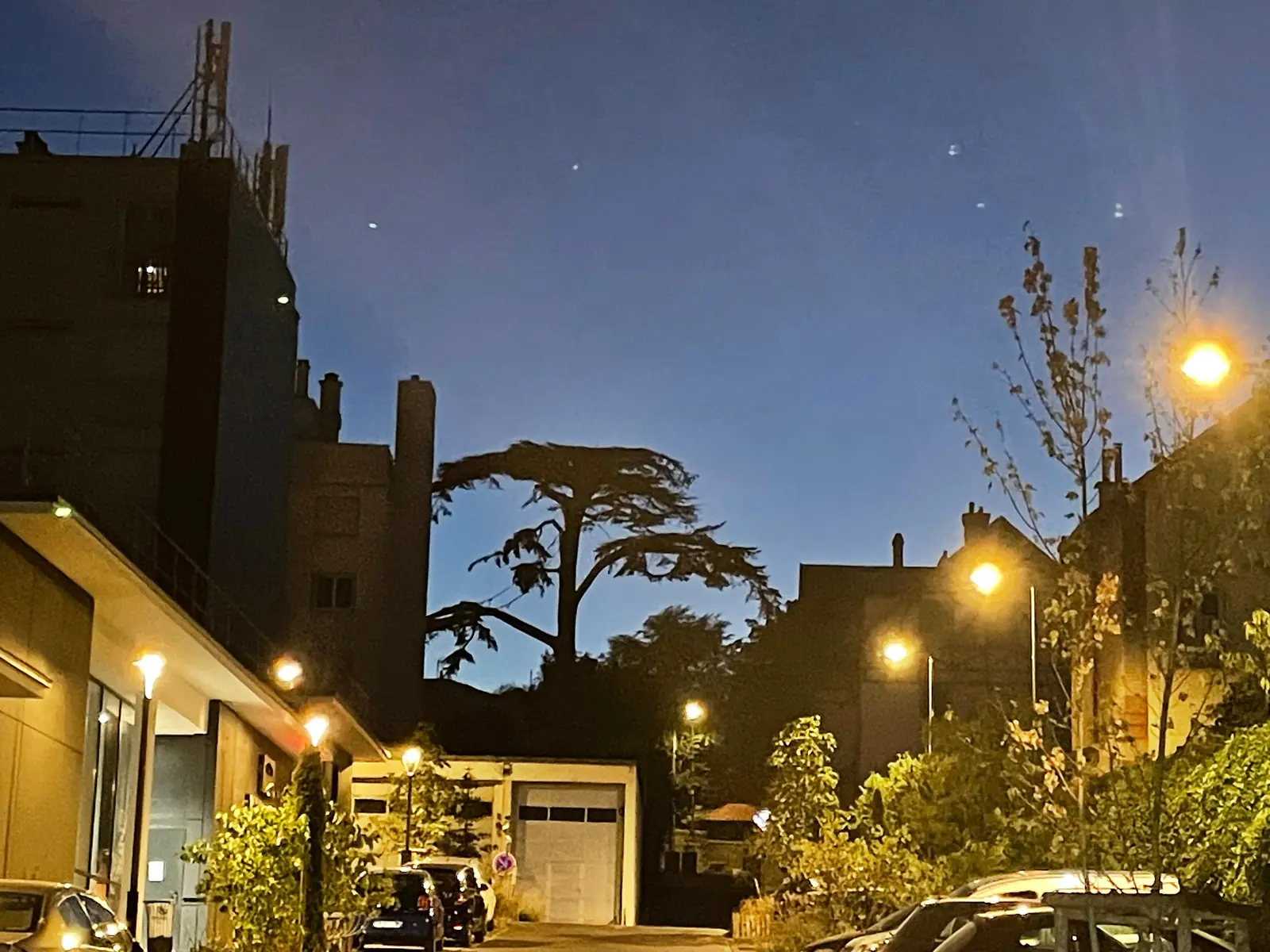
Sitting under the cedar, admiring its beauty, thinking about two centuries of history, watching the birds sitting in the trees is something magical.
The Cedre Imperial has something extremely mysterious: it might be the place from where, for the first time, resistance information successfully transitioned to the decision makers of two other countries.
The Cedre Imperial Meudon might be one of the spots in the world from where the course was set to put an end to the Nazi regime.
You could experience for yourself the energy the Cedre Imperial was able to give. All you needed to do was to sit there and meditate a little.
Not enough water for the Cèdre Impérial
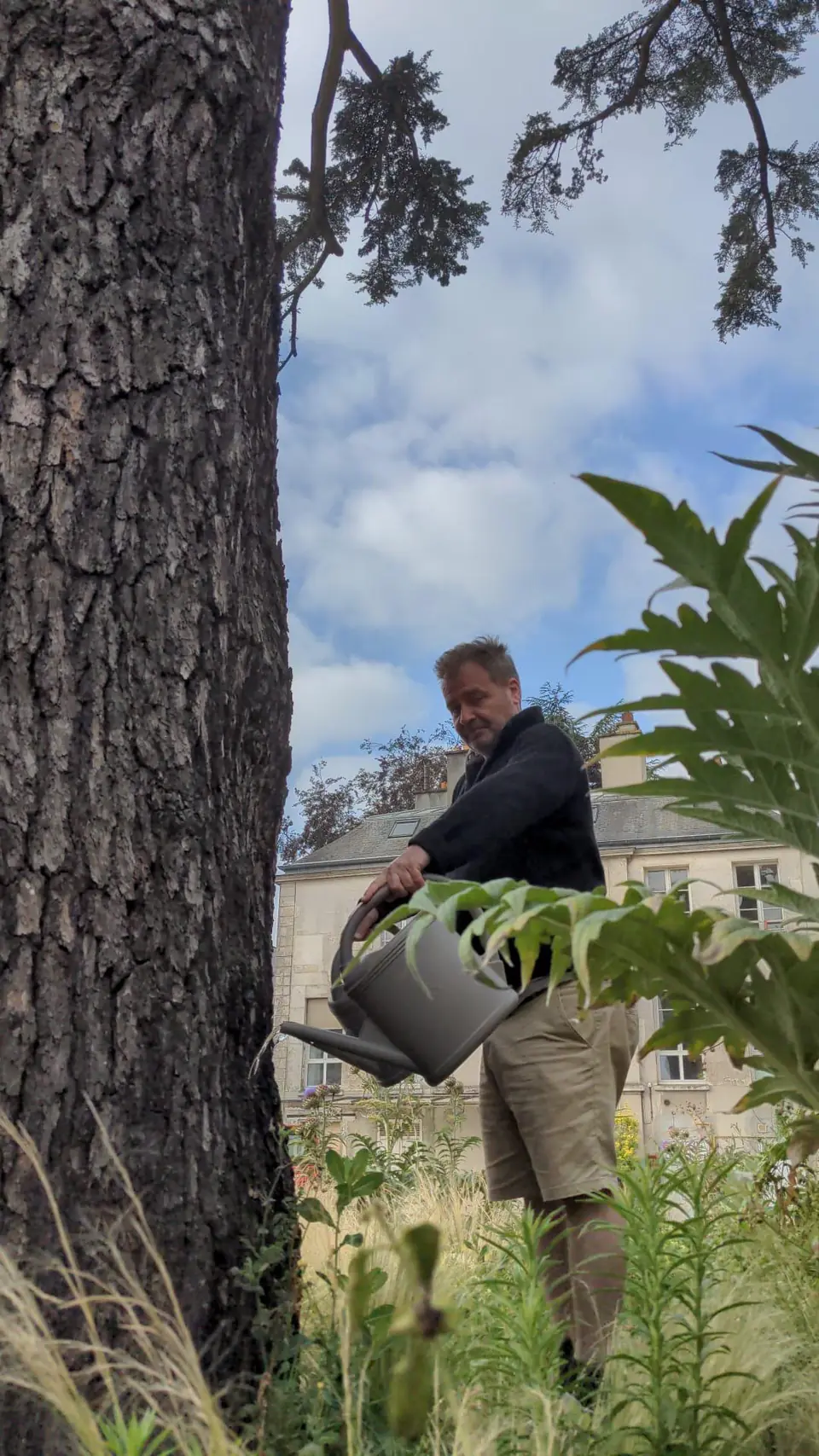
For years concrete stopped the cedar from getting enough water.
The health of the tree started to decline progressively. In the summer of 2023 another concrete stub, completely impervious to rainwater, was added. During the 2026 heat waves extreme high temperatures were boiling its roots.
During the July and August 2026 heatwaves the cement was getting so hot it was impossible to walk on it barefoot.
A young artist from Meudon made videos asking Denis Larghero to urgently remove the concrete stub, so the Cedre Imperial could recover. The website Cedre Imperial.com documented the concrete stub: cedreimperialmeudon.com/en/support.
A video about the Imperial Cedar, hosted by YouTube. Loading it sets Google cookies.
But instead of doing something to help the tree, a disaster was under preparation…
Death on the Eclipse Day
The energy of the cedar is gone
2026, August 12
Right at the peak of the French holiday season, a communiqué was sent out notifying a report advising to cut the tree. A few hours later a team of workmen arrive in the early morning — impossible for anybody to react, impossible to get a second report — the tree is cut. Police forces were present to stop the Lovers of the Cedar from approaching the tree. Only two days to destroy a two-centuries-old witness of French and international history: the city's communiqué.
What is highly symbolic is that the chopping of the tree was programmed on the eclipse day. Total eclipses are something unusual. It's a moment when the moon passes right between the earth and the sun.
What the mayor of Meudon Denis Larghero might not have realised is that many, many people love the Cedre Imperial Meudon, not only in Meudon, but also beyond the borders of France.
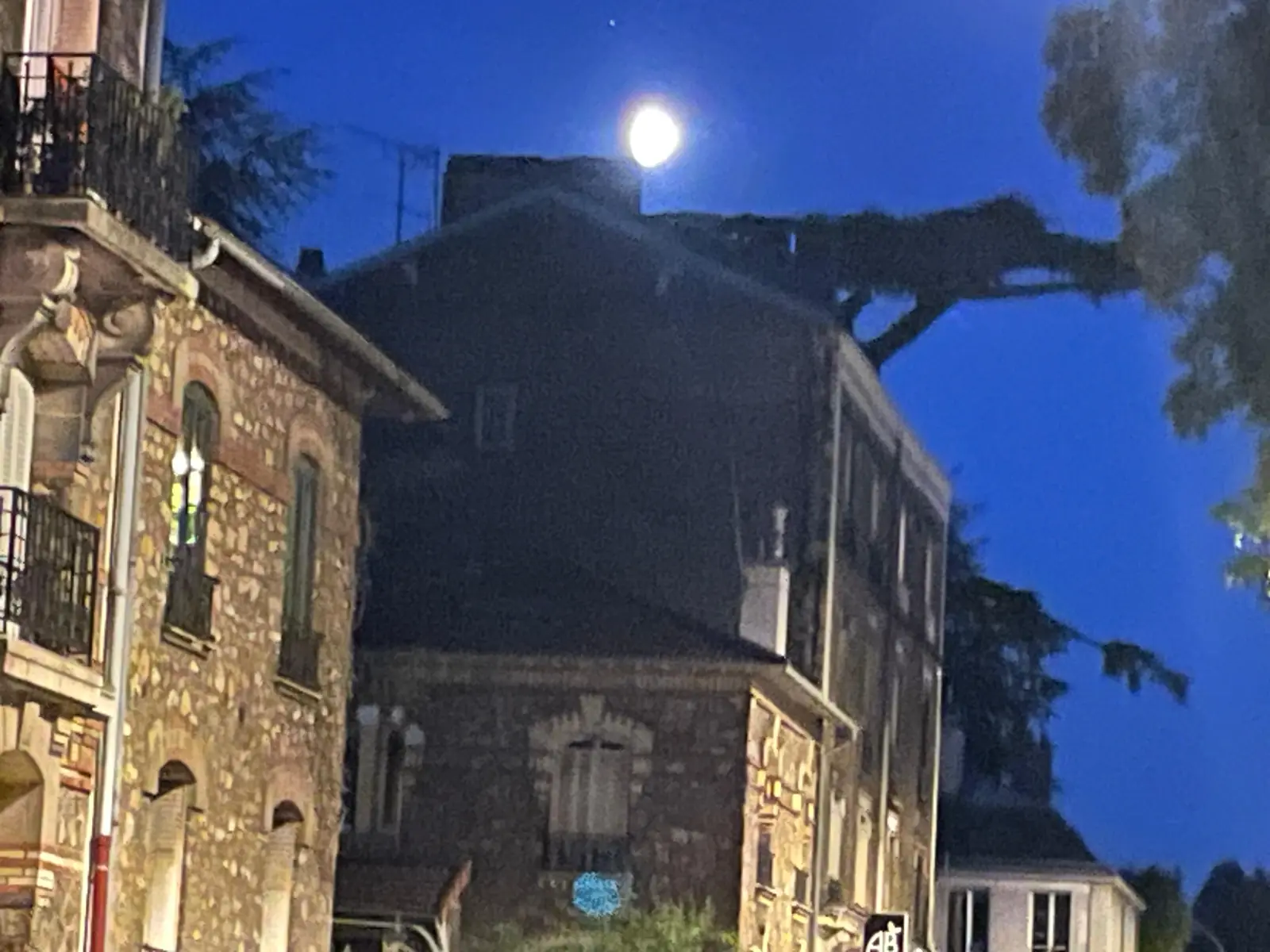
The Cedre Imperial also had an unusual connection with the Moon. That happened 20.842 days, 57 years and 23 days before the day Larghero chopped it down.
The eclipse creates a striking symbolic juxtaposition: a tree with a long earthly history, around 227 years, 82.955 days, being brought down on the day that the Sun was temporarily obscured.
In fact one of the men who knew about its stories had walked on the Moon. He was one of the two Apollo 11 astronauts.
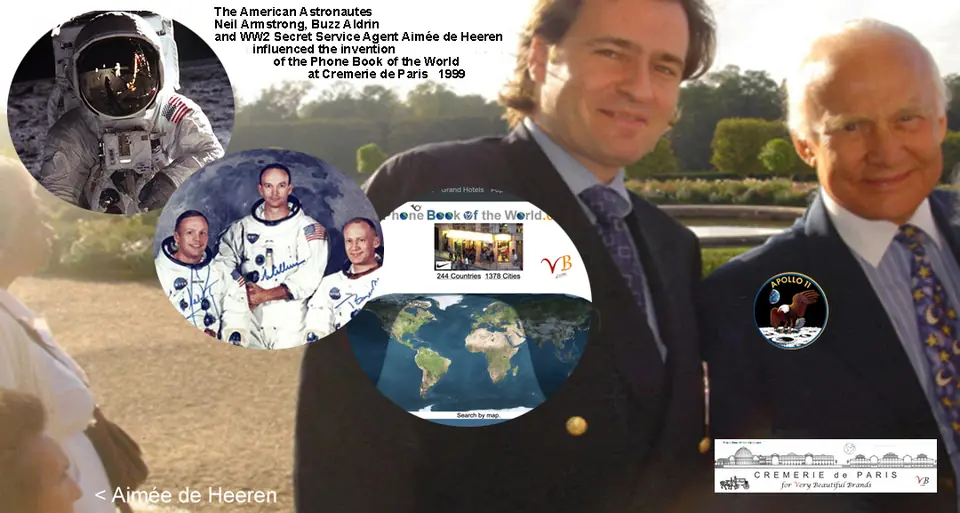
In the above picture you see the astronaut Buzz Aldrin three times:
- on the Moon — photo 1969 by Neil Armstrong,
- with Neil Armstrong and Mike Collins — photo 1969 by NASA,
- behind the Grand Trianon in the park of Versailles, with the editor of this article, Aimée de Heeren and Lydia Pereira Ignácio — photo by Françoise Cochin, 2005.
Buzz Aldrin considered Aimée as a hero. Between 1999 and 2005 he visited her every time he came to Paris. He knew about her Kennedy links.
The editor of this article had the chance to be there every time the astronaut came to see Aimée.
And of course through Aldrin, Neil Armstrong also knew about Aimée and eventually about the Cèdre Impérial.
The Apollo 11 astronauts had an admiration for the Kennedys, as JFK took the decision to fly to the Moon — and Aimée de Heeren and the Cedre Imperial Meudon are part of the Kennedy story.
The Cedre Imperial survived everything — wars, Nazi occupation, thunderstorms with lightning strikes, the 1999 storm Lothar, heat waves. What it did not survive was cement placed around it, and a municipal decision to cut it off completely.
A few years ago the idea came up to get rid of the “annoying cedar” blocking grounds that could be used for construction — cutting down a living monument that is the symbol of the city.

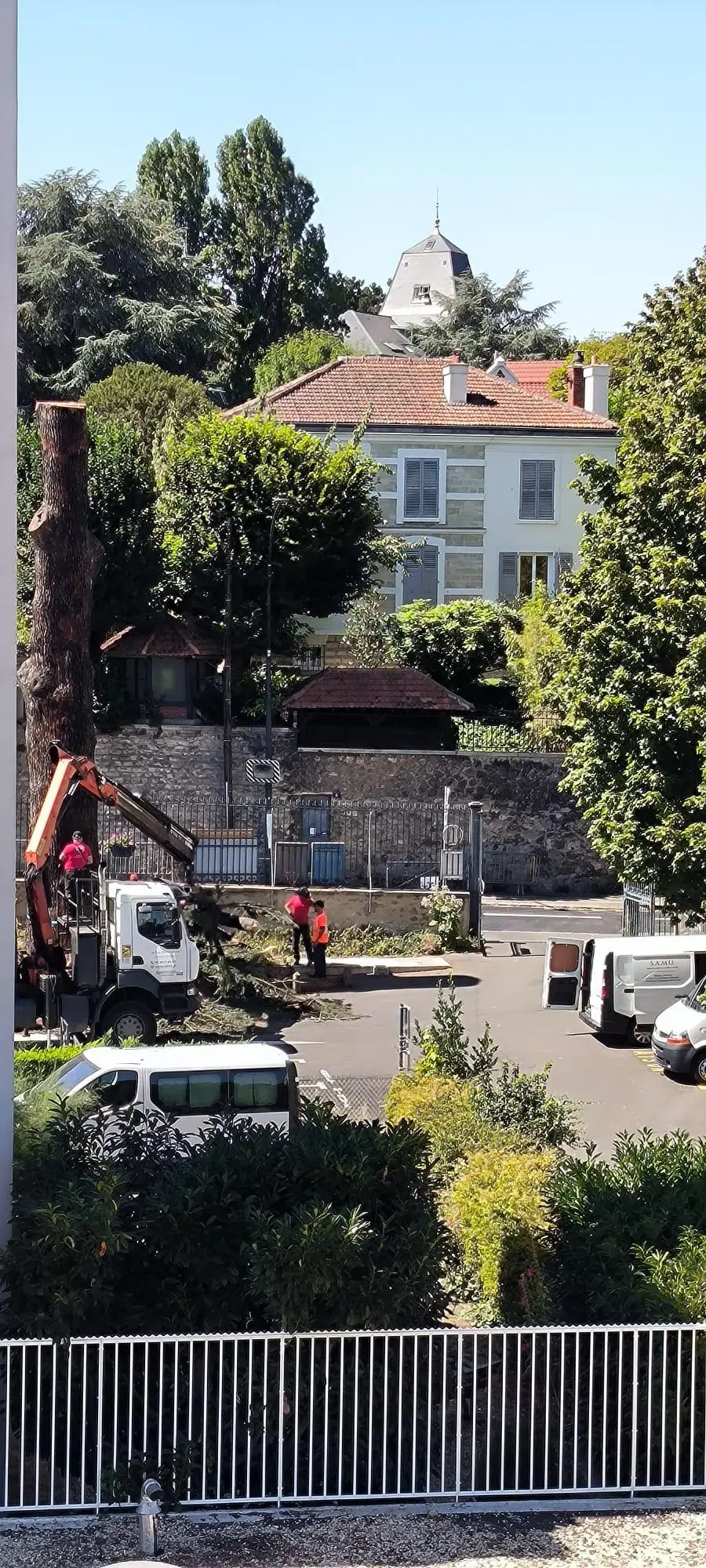
Everything went so fast — nobody had the time to oppose.
Not even the trunk, which could not possibly have fallen on anybody, was left in place as a memory.
Marcel Diebolt, a highly controversial former Prefect of Paris, had chosen the same summer holiday time frame to demolish another souvenir of the Napoleonic times, the spectacular Pavillons Baltard of les Halles de Paris. The destruction of what was once the world's most famous food market started on 2 August 1971, while Parisians were on vacation. The pavilions were later replaced by a real estate project with strong financial interests personally connecting to Diebolt.
Two different visions of why the tree was cut
The destruction of the cedar was highly controversial.
- The official version of the city administration: “the tree was dangerous”.
- Many people from Meudon believe something different: “the tree was cut — and even deliberately neglected — so it could be removed, to liberate the ground for real estate development”.
Different declarations can be found on the website of the Cedre Imperial Meudon: cedreimperialmeudon.com/destruction.
Today the grounds of the Cedre Imperial are empty. All you see is the massive concrete stub and a sign from the mayor:
“Cèdre Rue de la République — Urgent action for security reasons”.
If you visit Paris, come to see the place. What has happened is as bad as the theft of the French Crown Jewels at the Louvre. A cultural symbol disappears.

Next to it, a poem written by a lady from the city.
Le grand cèdre coupé
Agnès, le 24 août 2026
C'est la vie arrachée,
l'ombre décapitée.
En plein cœur de l'été,
l'acte innommable, barbare s'est déroulé
dans l'indifférence totale et calculée !
Ô tristesse : le grand cèdre est perdu à jamais…
Hélas coulent nos pleurs amers, pour tous les Meudonnais.
The great cedar cut down
English adaptation of the poem by Agnès
It is life torn away, betrayed,
the shadow beheaded, unmade.
In the full heart of summer's shade,
the unspeakable, barbarous act was played
in indifference total and coldly weighed!
O sorrow: the great cedar is lost beyond recall…
Alas, our bitter tears flow, for Meudon, one and all.

Visit Meudon.com

2026, August 24 — VisitMeudon.com and VisitMeudon.fr were activated so that the Cedre Imperial will never be forgotten.
The Cedre Imperial is part of the VisitMeudon.com logo.
You also see the Eiffel Tower and the Moon. The Moon turning around the tree was beautiful to observe. It is part of the logo in reference to the Apollo 11 astronaut who was fascinated by the energy of the tree, and the connected Aimée × Joe Kennedy WW2 love story.
The privately edited website uses the popular “Visit Branding style”, also used by VisitBrasil.com, by VisitRio.com.br, and by the twenty Paris arrondissement websites: VisitParis01.com to VisitParis20.com already linking to VisitMeudon.com.



Initially Visit Meudon was imagined to invite you to admire a unique tree, and to feel the energy of the Cedre Imperial.
20 September 2026 — The Comité de Sauvegarde des Sites de Meudon organised a first meeting (videos coming soon): sauvegardesitemeudon.com.
Resistance is forming in the city to stop abusive real estate development.
Some people even feel the historic cedar was “murdered”.
21 September 2026 — The Cedre Imperial has been added to the interactive Visit Paris map, giving the tree a much larger visibility.
What will be the future of the square?
Real estate development, or restoring the beautiful former magical garden?
2.330 m² municipal parcel (cadastral section AP 304)
Some people believe the cutting of the tree was in reality motivated by the desire to finally proceed with the real estate project from 2021, centre quartier Maison Rouge.
If in a few weeks the mayor Denis Larghero announces the construction of his bâtiment multiservices (multi-service building, medico-social), it becomes obvious that the real reason for the concrete stub, keeping water away from the roots, and the cutting of the cedar was just a strategy to pave the way for a new building.
But there is a saying: when you cut a tree, you plant a new one.
It could be an idea to reconvert the entire 2.330 m² square into the beautiful garden it once was, during the youth of Aimée de Heeren and Joe Kennedy Jr., and to plant new cedar trees all around the square.
The garden could be designed as an interactive garden, and take the name “square Cèdre Impérial”, “square Aimée and Joe Kennedy Jr”, “square de la Résistance” or “square Napoléon”.
The former “Villa des Cèdres” is still there. It is in bad shape, but it can be renovated and turned into a wonderful museum.
Tourists from Brazil, the United States or Germany will love to visit Meudon.
All the 20 Visit Paris arrondissement sites already mention the Cedre Imperial.
The possibilities are endless — so much history is connected to the tree — and the necessary budget would be small: certainly less than 5% of the 2021 construction project.
Month by month the theme could change, adding a cultural dimension to Meudon and reinforcing the tourist attraction of the beautiful town. The paintings of the children are already there.
It is important to realise that Meudon and the Cedre Imperial are not just any location, desperately waiting for another building that could be housed in so many other places.
The “square du Cèdre Impérial” is the crossing point of underground German anti-Nazi intelligence, Brazil's most famous secret service agent, the Kennedy family, and the presidents of Brazil and Germany.
The Cedre Imperial was the power behind Aimée de Heeren. Her story stands apart from that of other intelligence agents: she bypassed formal, bureaucratic government agencies entirely, leveraging her personal influence, her charm and her intimate relationships to affect international diplomacy.
The Meudon Cedar might be the very first geographic spot in the world from where the course was set to prepare the end of the Nazi terror — seven years later — initiated by a beautiful young woman, a kind of super James Bond girl, powered by the force she found in an Imperial Cedar.
In memory of the Imperial Cedar
Over 1000 children have been inspired by the Cedre Imperial and expressed themselves through a painting.
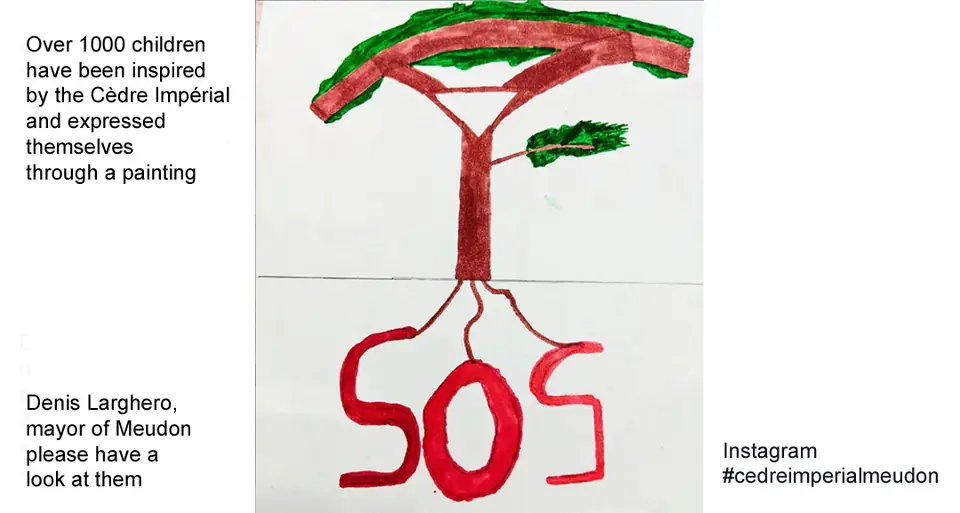
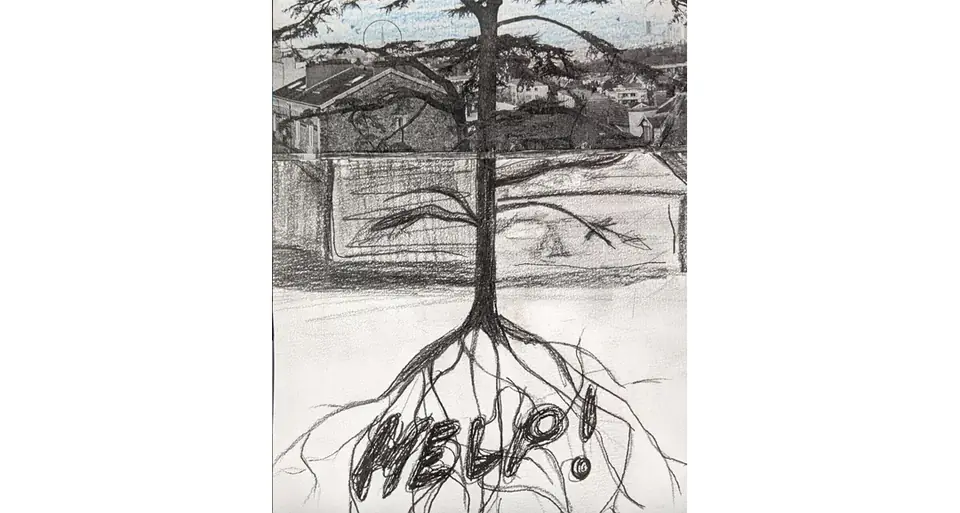
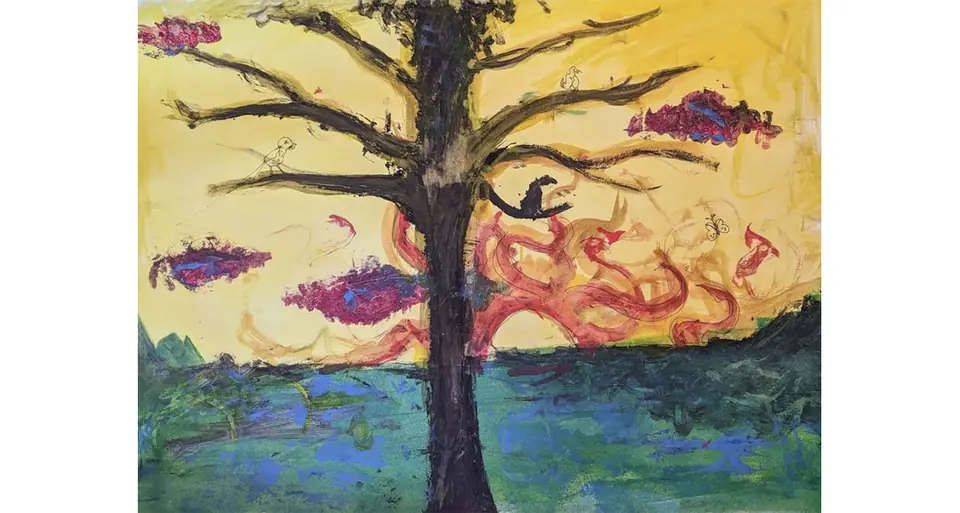
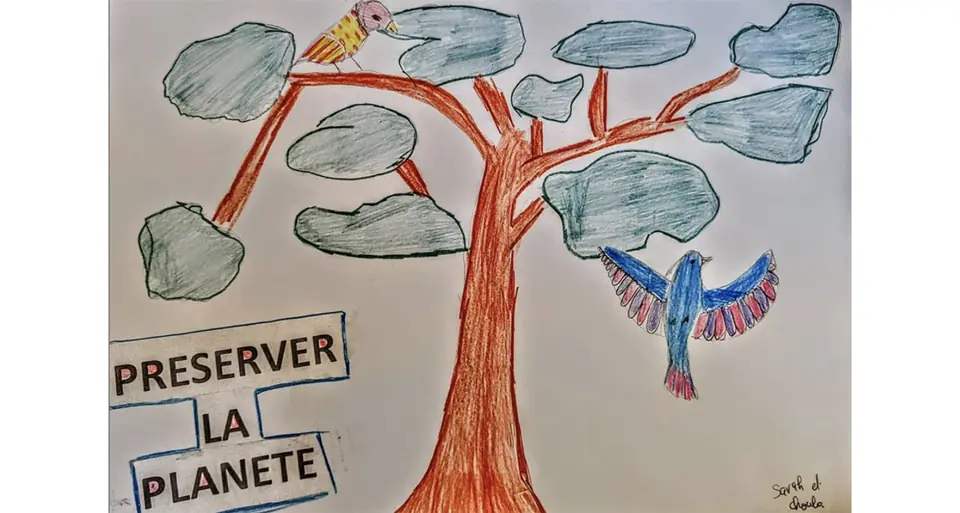
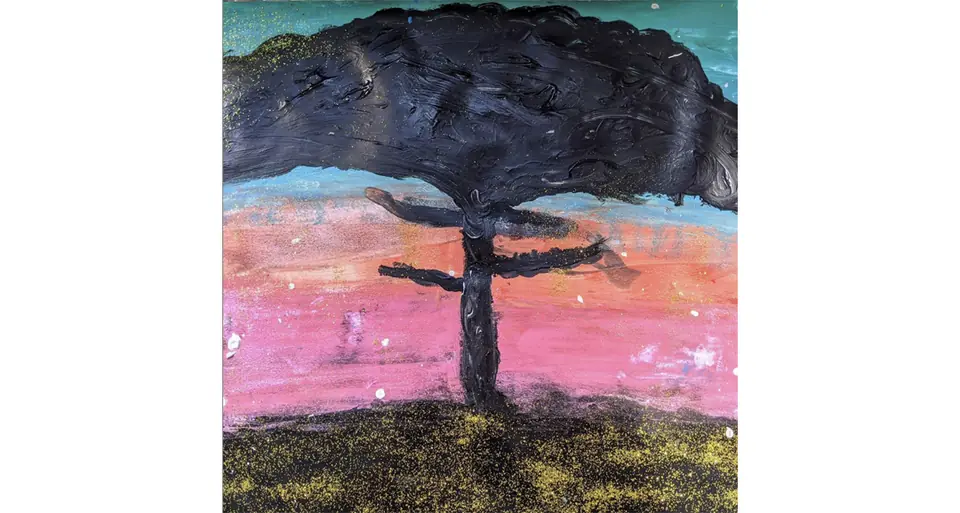
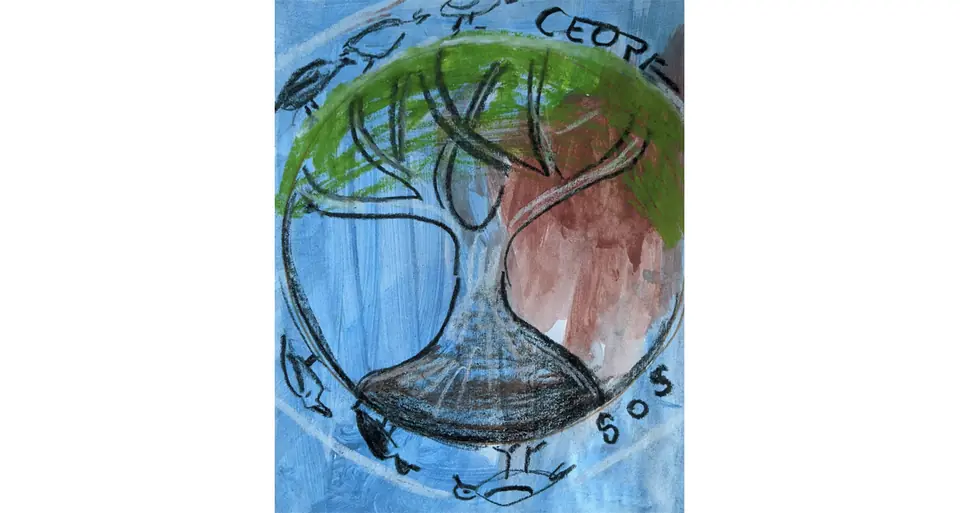
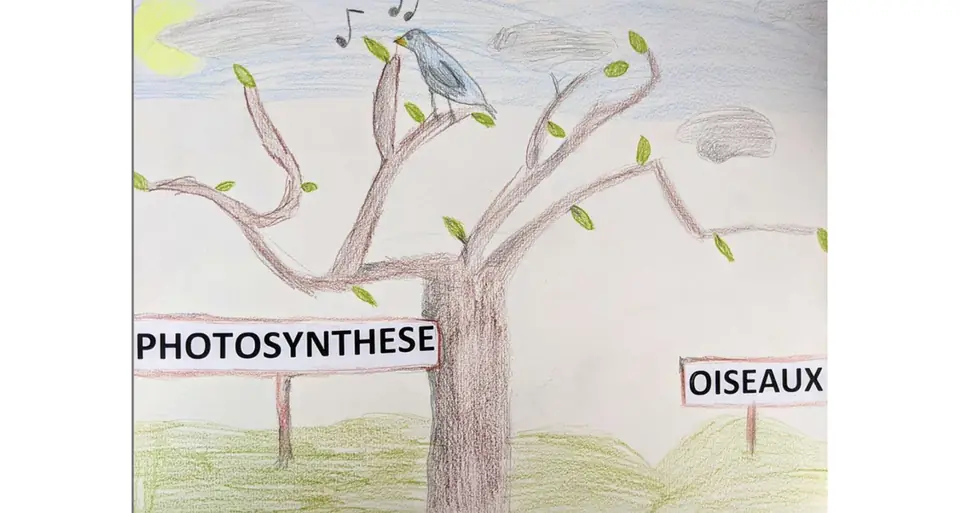
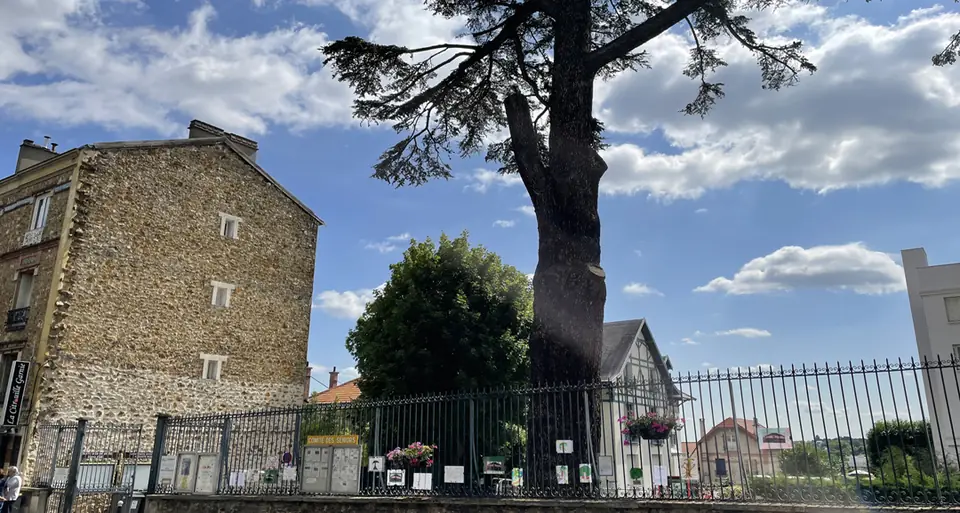
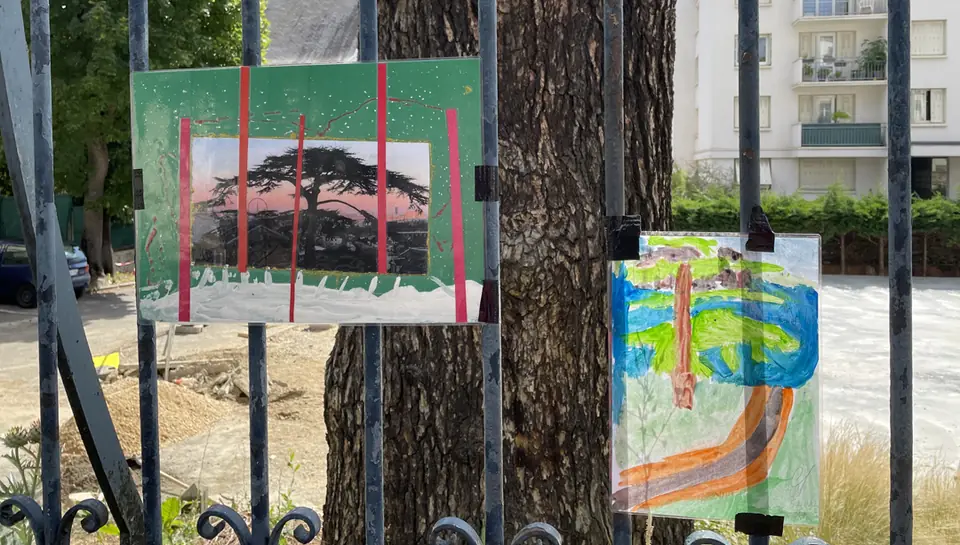
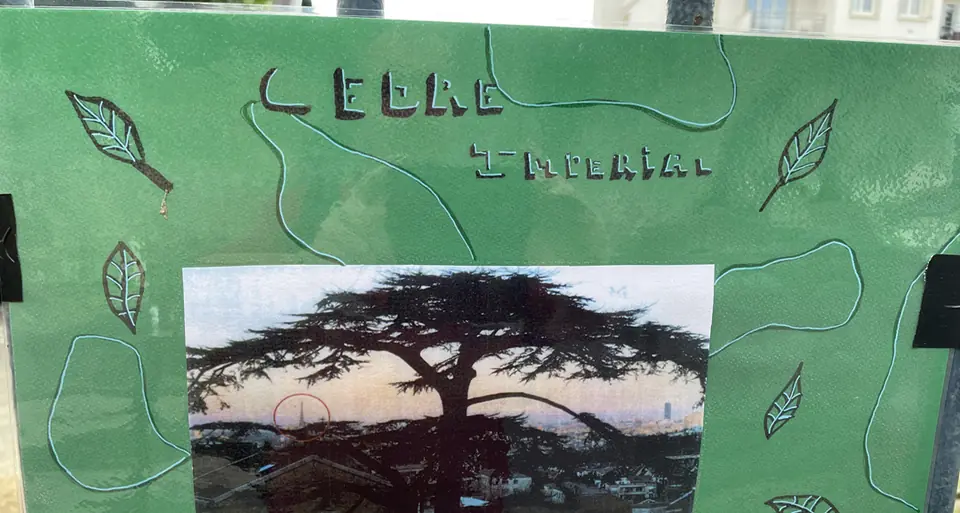
All the drawings on Instagram: #cedreimperialmeudon.
A Google Street View of the spot. Loading it sets Google cookies.
Text and photographs: cedreimperialmeudon.com (Association pour le Cèdre — ARCBM).